
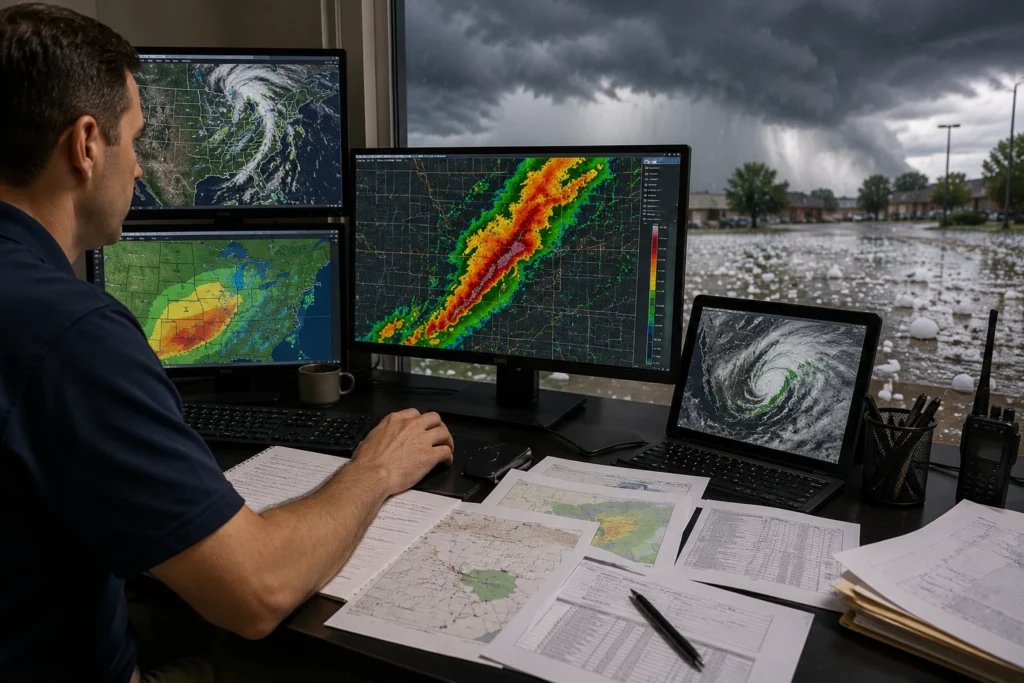
Hailstorms can destroy a roof in minutes. What happens afterward, though, often determines whether a homeowner receives a fair insurance payout or ends up fighting through delays, low settlement offers, and frustrating disputes. That is exactly why understanding How to Document Hail Damage for an Insurance Claim matters so much.
Good documentation changes everything. It creates proof. It builds credibility. It helps establish timelines and supports repair estimates. Most importantly, it protects homeowners from missing damage that insurance carriers may overlook during inspections. I’ve seen homeowners take a few blurry photos and assume that is enough. Unfortunately, it rarely is. Insurance claims are evidence-driven. The stronger the evidence, the stronger the claim.
If you are preparing to file a roof hail claim, this guide walks through the exact documentation process step by step. From photos and videos to weather reports and written timelines, we’ll cover what actually helps homeowners protect themselves financially after a storm. And if you are researching before hiring help, even better. Preparation before the inspection stage often creates better outcomes later.
Why Proper Hail Damage Documentation Matters
Insurance companies do not pay claims based on assumptions. They pay based on evidence. That distinction matters more than most homeowners realize. A roof may clearly look damaged to you, but if the documentation is incomplete, inconsistent, or poorly organized, the claim becomes harder to support. That is where problems begin.
Evidence Drives Every Claim
Adjusters rely heavily on documentation when evaluating hail losses. They look for:
- Visual proof
- Damage consistency
- Storm timing
- Material impact patterns
- Supporting reports
- Repair estimates
Without solid evidence, legitimate damage can appear questionable.This becomes especially important when dealing with older roofs. Insurance carriers often try separating storm damage from normal aging or wear. Strong documentation helps establish the difference.
Missing Damage Costs Homeowners Money
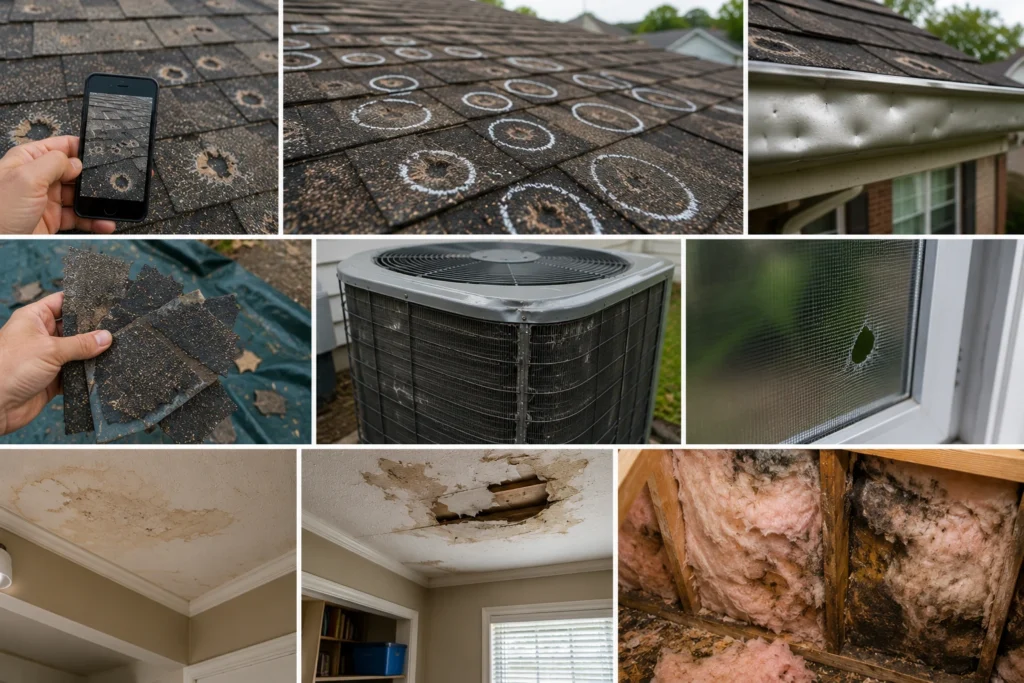
Here is the problem many people discover too late: Roof damage is rarely isolated. Hail can impact:
| Area | Common Damage |
| Shingles | Bruising, granule loss |
| Gutters | Denting |
| Roof vents | Cracks, punctures |
| Flashing | Bent metal |
| HVAC units | Coil damage |
| Windows/screens | Tears and fractures |
| Interior ceilings | Water stains |
If only the obvious damage gets documented, portions of the claim may never get included. That creates out-of-pocket costs later during repairs.
Documentation Helps Prevent Disputes
Strong documentation creates leverage. When timelines, photos, weather reports, and inspection records align properly, disputes become harder to justify. It becomes easier to challenge underpaid estimates or incomplete scopes. This is especially important in hail-prone regions like Laredo, where storms can create widespread property damage across entire neighborhoods.
Safety Comes First Before Inspecting Hail Damage
Before documenting anything, focus on safety. Seriously. Many homeowners rush onto roofs immediately after storms. That is dangerous. Wet surfaces, structural instability, loose shingles, and hidden weaknesses create major fall risks. No insurance claim is worth an injury.
Avoid Climbing the Roof Immediately
Fresh storm damage creates unstable conditions.
Potential hazards include:
- Slippery surfaces
- Broken decking
- Exposed nails
- Electrical risks
- Soft spots weakened by water intrusion
Even experienced contractors use caution after severe storms.
Start With Ground-Level Inspection
You can document a surprising amount without climbing anything.
Use:
- Smartphone zoom
- Binoculars
- Drone footage if available
Look for:
- Missing shingles
- Bent gutters
- Damaged vents
- Siding impacts
- Broken screens
- Fallen debris
Ground-level evidence still matters significantly during claims.
Know When to Call Professionals
If the damage appears severe, professional inspections become essential.
Particularly if:
- The roof is steep
- The home has multiple stories
- Interior leaks exist
- Structural concerns are visible
Professional documentation often includes detailed inspection reports that strengthen claims considerably.
The First Things to Do After a Hailstorm
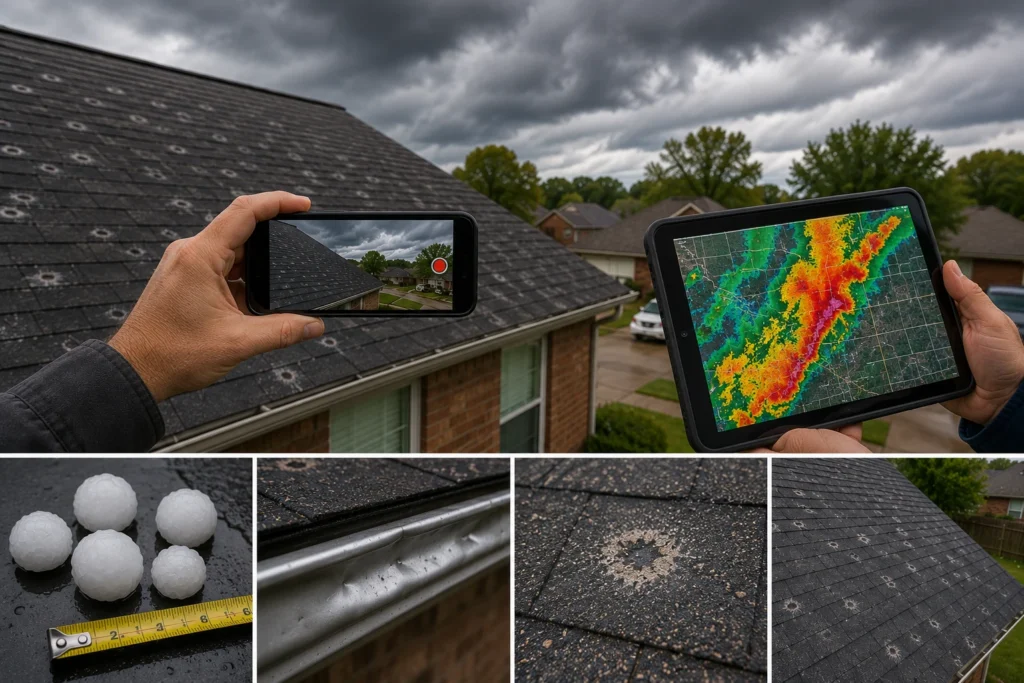
The first 24 hours matter. Not because the roof suddenly worsens overnight, but because evidence starts disappearing quickly. Granules wash away. Debris gets cleaned up. Temporary repairs alter damage visibility. Start documenting early.
Record the Storm Date and Time
Create a precise timeline immediately.
Write down:
- Date of storm
- Approximate time
- Storm duration
- Hail size estimates
- Wind intensity
- Visible immediate damage
Small details matter later.
Save Weather Reports
Weather reports help validate your claim.
Useful sources include:
- NOAA reports
- Local weather stations
- Storm tracking services
- Radar history tools
Many carriers compare documented damage against local storm activity. Having reports ready strengthens credibility.
Create a Claim Folder
Organization matters more than most homeowners expect.
Create folders for:
- Photos
- Videos
- Receipts
- Emails
- Inspection reports
- Insurance communications
- Repair estimates
Use cloud storage whenever possible. Backups prevent accidental loss.
How to Photograph Hail Damage Properly
Photos are one of the most important parts of How to Document Hail Damage for an Insurance Claim. But not all photos help equally. Random snapshots without structure often create confusion instead of clarity. Strategic photography works far better.
Start With Wide-Angle Photos
Begin by documenting the entire property.
Capture:
- Full roof elevations
- Exterior walls
- Driveways
- Gutters
- Windows
- Outdoor structures
Wide shots establish overall storm impact. They also help show damage consistency across the property.
Take Detailed Close-Ups
After wide shots, move into detailed evidence.
Focus on:
- Bruised shingles
- Granule displacement
- Cracked tiles
- Dent marks
- Metal impacts
- Torn screens
Lighting matters here. Natural daylight usually produces the clearest results.
Use Measurement References
This is a major mistake homeowners overlook. Always include measurement references when possible.
Examples:
- Tape measures
- Coins
- Rulers
These provide scale and help demonstrate hail size impact.
Photograph All Sides of the Home
Storm patterns matter. Insurance adjusters often evaluate wind direction and impact consistency. Missing elevations may weaken the claim narrative.
Document:
- Front
- Rear
- Left side
- Right side
Even if one side appears less damaged. Do Not Forget Interior Damage Many homeowners focus only on roofs. Big mistake. Interior damage can become one of the most expensive parts of the claim later.
Photograph:
- Ceiling stains
- Wall discoloration
- Peeling paint
- Wet insulation
- Flooring damage
Water intrusion sometimes appears days after storms. Continue monitoring interior spaces carefully.
Key Areas Homeowners Commonly Miss

This section alone can improve claim quality dramatically. Because hidden damage gets overlooked constantly.
Gutters and Downspouts
Metal components often show hail impacts clearly.
Look for:
- Circular dents
- Paint fractures
- Bent edges
These areas help confirm storm severity.
Roof Flashing and Vents
Soft metals show impact damage extremely well.
Inspect:
- Chimney flashing
- Vent caps
- Pipe boots
- Ridge vents
Minor punctures can eventually create leaks.
HVAC Systems
Outdoor AC units often absorb direct hail strikes.
Damage may include:
- Bent condenser fins
- Restricted airflow
- Reduced efficiency
Photograph these carefully.
Window Screens and Siding
Screens act almost like storm indicators.
Hail may leave:
- Tiny tears
- Fractures
- Impact punctures
Siding can also develop cracks or visible dents.
Outdoor Structures
Do not ignore collateral evidence.
Damage to:
- Fences
- Decks
- Patio covers
- Gazebos
…helps support broader storm impact claims.
Creating a Written Damage Report
Photos matter. Written notes matter too. Together, they create a much stronger claim package.
What Your Written Report Should Include
Document:
- Storm date
- Initial observations
- Leak locations
- Visible roof damage
- Interior damage progression
- Temporary repairs completed
Be specific. Instead of writing “roof damaged,” describe exactly what you observed.
Create a Timeline
Timelines help establish claim consistency.
Track:
| Event | Date |
| Storm occurred | Example date |
| Damage discovered | Example date |
| Photos taken | Example date |
| Temporary repairs | Example date |
| Contractor inspection | Example date |
| Claim filed | Example date |
This organization prevents confusion later.
Keep Communication Records
Save every email and phone note involving:
- Insurance representatives
- Contractors
- Mitigation companies
- Inspectors
Documentation is not just about damage. It is also about process.
Using Video Documentation Effectively
Videos add context that photos sometimes miss. They show continuity. They capture scale. And they help explain property conditions naturally.
Create a Full Property Walkthrough
Start outside.
Slowly record:
- Roof elevations
- Gutters
- Siding
- Windows
- Landscaping damage
Narrate while filming. Describe what you are seeing clearly.
Record Interior Damage
Leaks change over time.
Document:
- Dripping water
- Ceiling bubbling
- Moisture stains
- Warped flooring
These videos help demonstrate active damage progression.
Why Videos Strengthen Claims
Still photos freeze moments. Videos show relationships between damages. That added context can become valuable during disputes or supplemental negotiations.
Weather Reports Matter More Than Homeowners Realize
Insurance companies often cross-reference claims against local storm data. Which means weather reports become supporting evidence.
Verify Storm Severity
Helpful data includes:
- Hail size
- Wind speed
- Storm duration
- Storm path
Large hail usually creates more consistent impact patterns.
Strong Sources for Weather Documentation
Use reliable providers.
Examples include:
- National Weather Service
- NOAA
- Local meteorologists
- Radar archives
Accurate reports strengthen claim credibility significantly.
Severe hailstorms often create highly unpredictable impact patterns across neighborhoods. In some cases, storm behavior can resemble complex atmospheric phenomena involving rapid energy transfer and structural interaction. If you enjoy exploring advanced scientific concepts, you can read more about Tribology and how surface interactions affect material wear over time.
Match Damage Timing Carefully
Consistency matters. If the roof damage appears fresh but the reported storm occurred years ago, questions arise quickly. Documentation should align logically. That includes timelines, photos, and weather data.
Temporary Repairs and Why Documentation Matters
Stopping further damage is important. Insurance policies generally require homeowners to prevent additional losses after storms. But document first whenever safely possible. Many homeowners begin researching topics like “Hail Damage Roof Insurance Claim: How to Protect Your Roof” only after visible leaks appear inside the home. Unfortunately, waiting until interior damage becomes obvious can weaken documentation quality and increase repair costs significantly.
Photograph Damage Before Repairs
Always capture evidence before:
- Tarp installation
- Debris removal
- Emergency patching
Otherwise critical proof may disappear permanently.
Save Every Receipt
Keep records for:
- Tarping
- Water extraction
- Emergency labor
- Temporary materials
These costs may become reimbursable.
Avoid Permanent Repairs Too Quickly
Large repairs before inspection sometimes complicate claims. Temporary stabilization is usually safer until the carrier evaluates damage.
Common Mistakes That Hurt Hail Claims
I see the same claim mistakes repeatedly. And unfortunately, they often reduce settlements.
Waiting Too Long
Time weakens evidence. Sun exposure, rain, and debris cleanup gradually erase storm indicators. Document early.
Taking Poor Quality Photos
Dark photos. Blurry images. Incomplete angles. They create problems fast. Use clear lighting and structured coverage.
Throwing Away Damaged Materials
Damaged shingles and components may become useful evidence later. Preserve them whenever possible.
Ignoring Interior Damage
Small stains become large repairs surprisingly fast. Water intrusion spreads quietly behind walls and ceilings.
Accepting Incomplete Inspections
Some inspections move quickly.
Too quickly.
Preparation before inspections improves outcomes significantly. That is one reason homeowners researching How to Document Hail Damage for an Insurance Claim before hiring help often place themselves in stronger positions later.
Should You Hire a Public Adjuster?
Not every claim requires professional representation. But some absolutely benefit from it.
What Public Adjusters Actually Do
A public adjuster works for the homeowner, not the insurance company.
Typical responsibilities include:
- Damage documentation review
- Scope analysis
- Estimate evaluation
- Supplemental negotiations
- Claim support
Signs Professional Help May Be Valuable
Consider professional assistance if:
- Damage is extensive
- The claim gets delayed
- Settlement offers seem low
- Coverage disputes appear
- Multiple structures are involved
Public Adjuster vs Insurance Company Adjuster
| Feature | Public Adjuster | Insurance Company Adjuster |
| Represents | Homeowner | Insurance carrier |
| Goal | Maximize claim accuracy | Manage claim payout |
| Documentation Review | Comprehensive | Carrier-focused |
| Negotiation Role | Aggressive support | Company interests |
This distinction matters heavily during complex hail claims.
Why Local Experience Matters
Storm claims are not identical everywhere. Regional conditions influence roofing systems, repair pricing, and storm behavior.
Roofing Conditions in South Texas
Homes in Laredo experience:
- Intense heat
- Severe seasonal storms
- Rapid material aging
- Wind-driven rain
These conditions affect how damage develops over time.
Local Pricing Knowledge Matters
Repair pricing varies significantly by region. Labor shortages, material demand, and storm surges all influence claim values. Accurate local estimating helps create stronger supplemental arguments.
Understanding Regional Claim Challenges
Contractors and adjusters familiar with Laredo often recognize storm-related patterns more quickly than outsiders unfamiliar with local roofing conditions. That local experience sometimes becomes an advantage during disputed claims.
What Happens After Documentation Is Submitted
Many homeowners think documentation ends once the claim gets filed. Not quite. The process continues.
Initial Insurance Review
The carrier typically reviews:
- Photos
- Inspection findings
- Weather reports
- Policy coverage
- Repair estimates
This leads to the first settlement estimate.
Supplemental Requests
Missed damage happens frequently. Especially on larger roofs.
Supplemental claims may include:
- Additional roofing components
- Code upgrades
- Interior repairs
- Hidden water damage
Strong initial documentation makes supplements easier to support.
Negotiation Phase
Disputes sometimes occur regarding:
- Scope size
- Material pricing
- Repair methods
- Depreciation
Detailed documentation strengthens negotiation positions considerably.
Final Checklist for Documenting Hail Damage
Here is a streamlined checklist homeowners can use immediately after storms.
Essential Documentation Checklist
- Wide-angle property photos
- Close-up hail impact photos
- Roof videos
- Interior leak photos
- Weather reports
- Written damage timeline
- Temporary repair receipts
- Contractor inspection reports
- Insurance communications
- Material samples if available
Organization Tips
Keep both:
- Physical copies
- Digital backups
Use clearly labeled folders for faster access during inspections or negotiations.
Final Thoughts
Strong claims begin with strong documentation. That is the reality. Understanding How to Document Hail Damage for an Insurance Claim before filing can dramatically improve the quality of evidence homeowners provide during the process. Better documentation creates clearer timelines, stronger proof, and fewer opportunities for important damages to get overlooked.
And after major storms, overlooked damage becomes expensive. Very expensive. Take organized photos. Record videos. Save weather reports. Track repairs carefully. Preserve receipts. Build a timeline. These simple steps create a much stronger foundation when dealing with insurance carriers.
For homeowners in Laredo dealing with hail damage, preparation before inspections often becomes the difference between a frustrating claim experience and a smoother financial recovery. The storm may last minutes. But the claim process can last months. Document everything accordingly.
FAQs
Take clear wide-angle and close-up photos, record videos, save weather reports, and keep written notes about all visible damage.
You should begin documenting damage as soon as it is safe because evidence can disappear quickly after rain, cleanup, or temporary repairs.
You can, but strong photo evidence significantly improves claim credibility and helps support repair estimates.
Yes. Videos provide better context and show the overall condition of the property more effectively than photos alone.
Inspect the roof, gutters, siding, vents, HVAC units, windows, ceilings, and outdoor structures for visible impacts or leaks.
Yes. Weather reports help verify storm timing, hail size, and storm intensity, which strengthens supporting evidence.
You can perform emergency temporary repairs to prevent further damage, but document everything before making changes.
Claims may be denied because of insufficient evidence, delayed reporting, pre-existing damage, or incomplete documentation.
Yes. Public adjusters often help organize evidence, review estimates, and support negotiations during disputed claims.
Keep all claim-related records until repairs are completed and the claim is fully resolved, including photos, receipts, and reports.